


Acquisition. Sequel Built Viral Growth Into Product Design, Not Ad Spend

Original title: How a $100 ad budget and a MacStories review turned Sequel into a hit
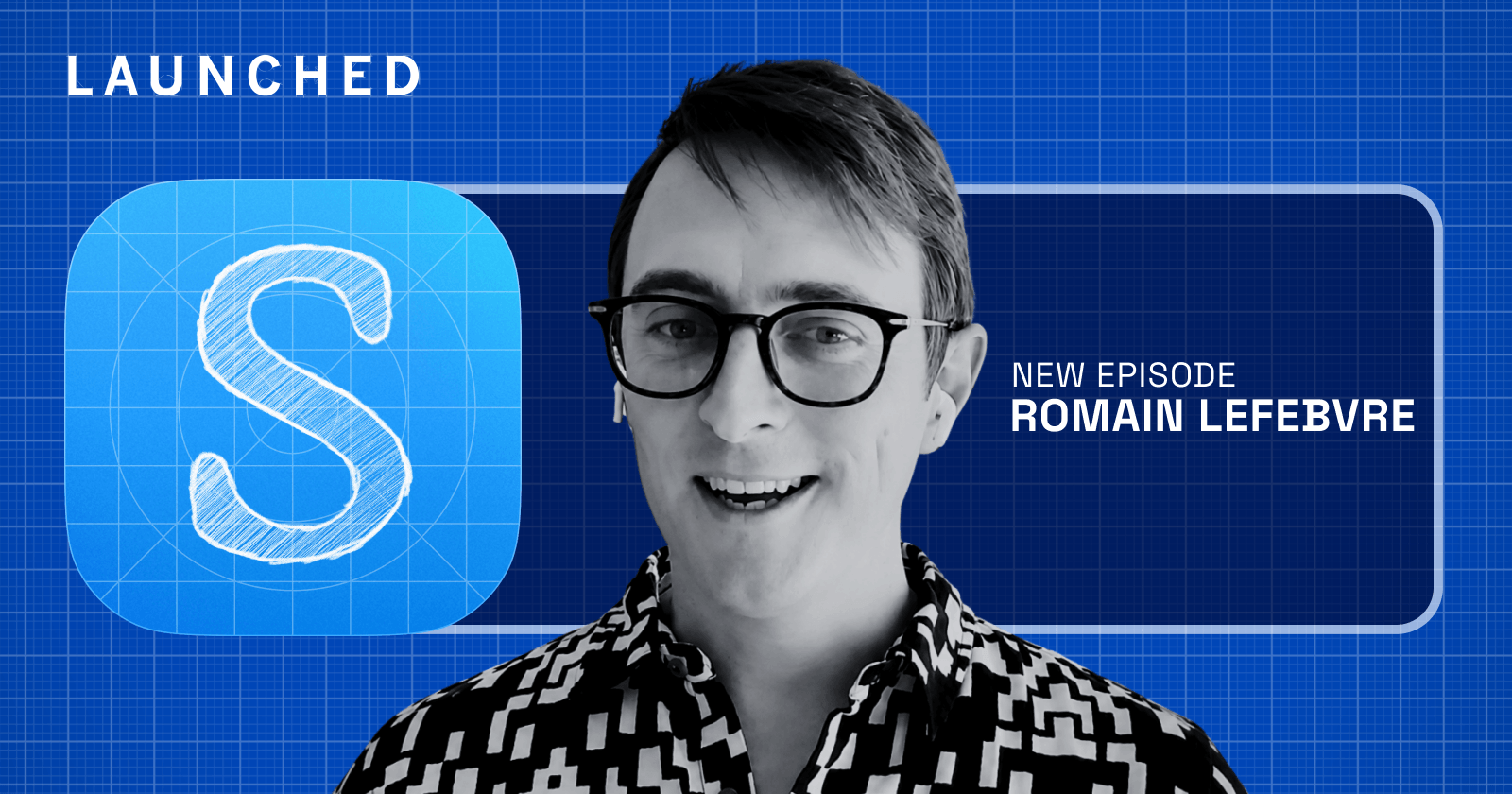
Romain Lefebvre's approach to building Sequel demonstrates a fundamentally different philosophy toward mobile app growth that prioritizes product-driven virality over traditional paid acquisition channels. Rather than following the conventional playbook of social media hustling and advertising campaigns, Lefebvre made a deliberate choice to engineer shareability and word-of-mouth potential directly into Sequel's core experience. His initial experiment with paid acquisition was minimal and decisive: he allocated only $100 to Apple Search Ads before concluding that this channel didn't align with his vision for sustainable, organic growth. This constraint forced him to think creatively about how the product itself could become its own marketing engine.
The key insight from Sequel's success lies in how Lefebvre designed the media detail screen to function as a natural sharing mechanism, transforming routine user interactions into opportunities for organic discovery and word-of-mouth promotion. This approach ultimately led to significant visibility through earned media, including a featured review on MacStories, which provided far more valuable exposure than any paid campaign could have delivered. For mobile studios evaluating their growth strategies, Sequel's trajectory illustrates that the most efficient path to scale may not involve maximizing ad spend or testing numerous acquisition channels, but rather investing deeply in product features that users naturally want to share.